Home › Health › Leg & standing comfort
Why “tighter” compression socks are not automatically better — and what a graduated pair is sold as instead
Heavy Legs Reset · Updated Sept. 24, 2026 · Paid article about Trufit socks
The campaign that follows is written in the voice of a circulation researcher whose spouse works long hospital shifts. Treat names, lab maps, and “fourteen pairs tested” as brand storytelling unless the seller publishes a study you can read. The useful idea underneath the story is simpler: a narrow band that digs in at the top of the calf is a common reason people quit socks labeled “compression.”

Long standing, travel, and sitting are the use cases in the ads. They are not a prescription.
The drawer problem
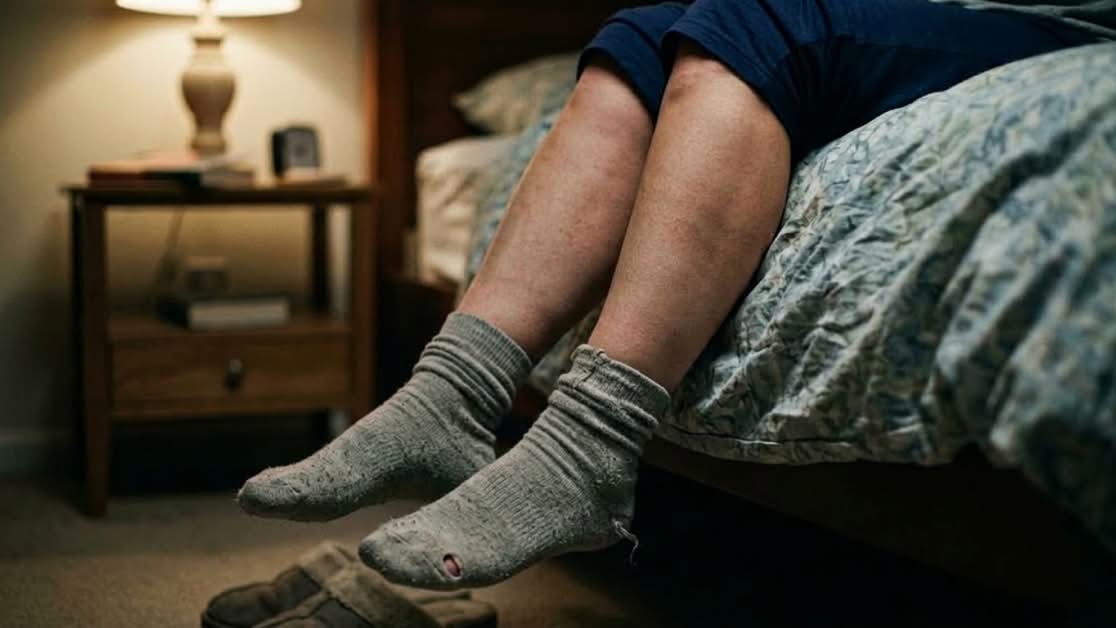
Tired legs at the end of a day are common. That photo does not diagnose edema or vein disease.
Pharmacy “compression” pairs often feel loose at the ankle and tight only at the cuff. Medical-grade 30–40 mmHg hosiery can be hard to put on and is the wrong starting point for many people unless a clinician asked for that range. Sizing up “for comfort” can leave fabric that bunches and does little. None of that means a new sock will end swelling. It means fit and pressure placement matter as much as the number on the package.
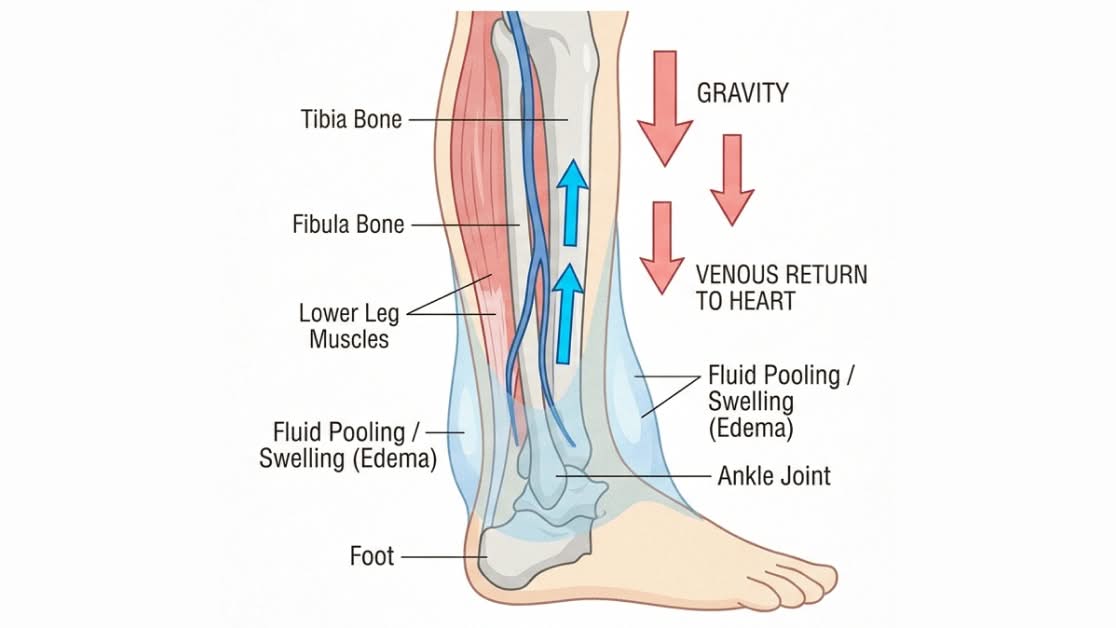
Anatomy graphic is educational. It is not a scan of your legs and not proof a sock will move fluid.
Graduated vs. a tourniquet cuff
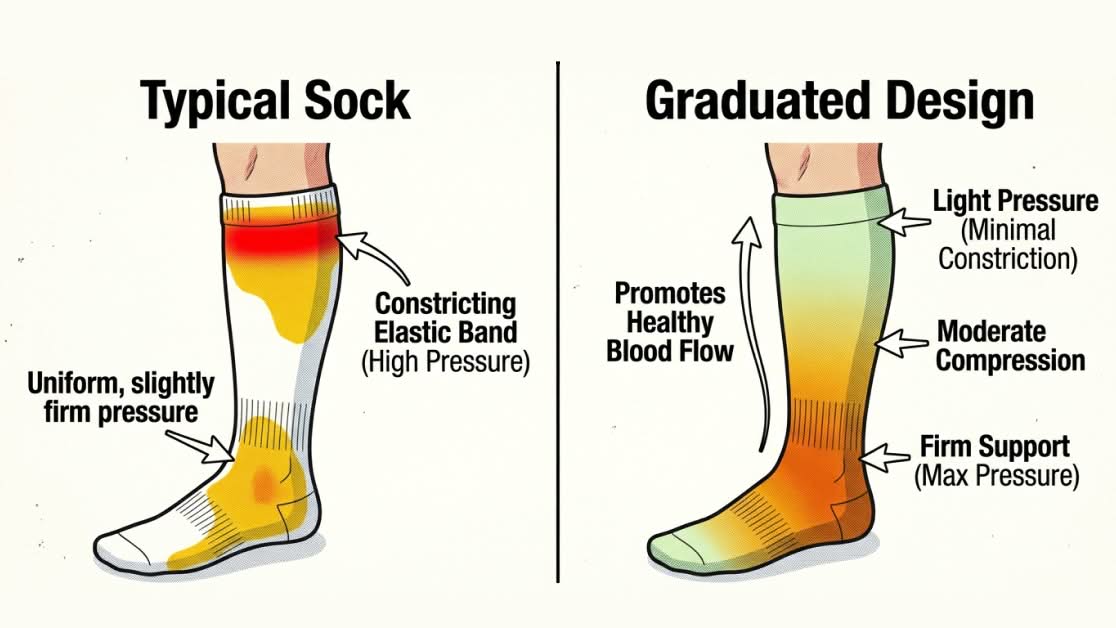
Campaign diagram. “Promotes healthy blood flow” on the artwork is marketing language, not a clinical finding on this page.
Properly described graduated garments are meant to feel firmer at the ankle and lighter toward the calf. A cheap fix for socks that slide is a skinny elastic ring at the top. That ring can leave a mark. Marks are not a sign the product “worked.” If a sock causes numbness, color change, or pain, take it off.
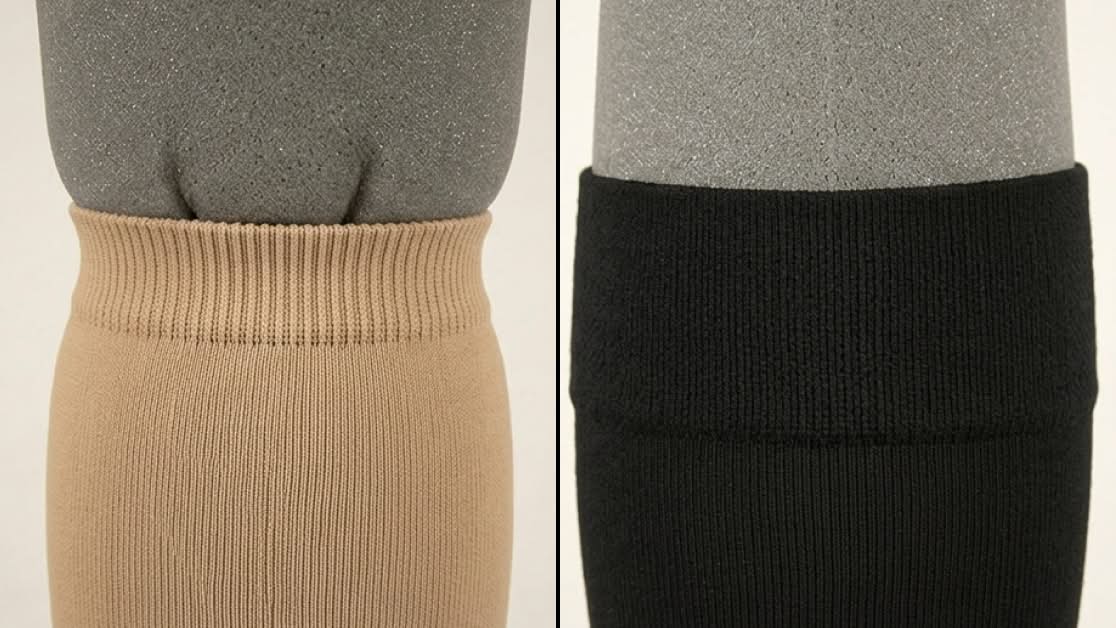
Cuff knit comparison. Width and yarn vary by pair you receive.
Who the ads show wearing them
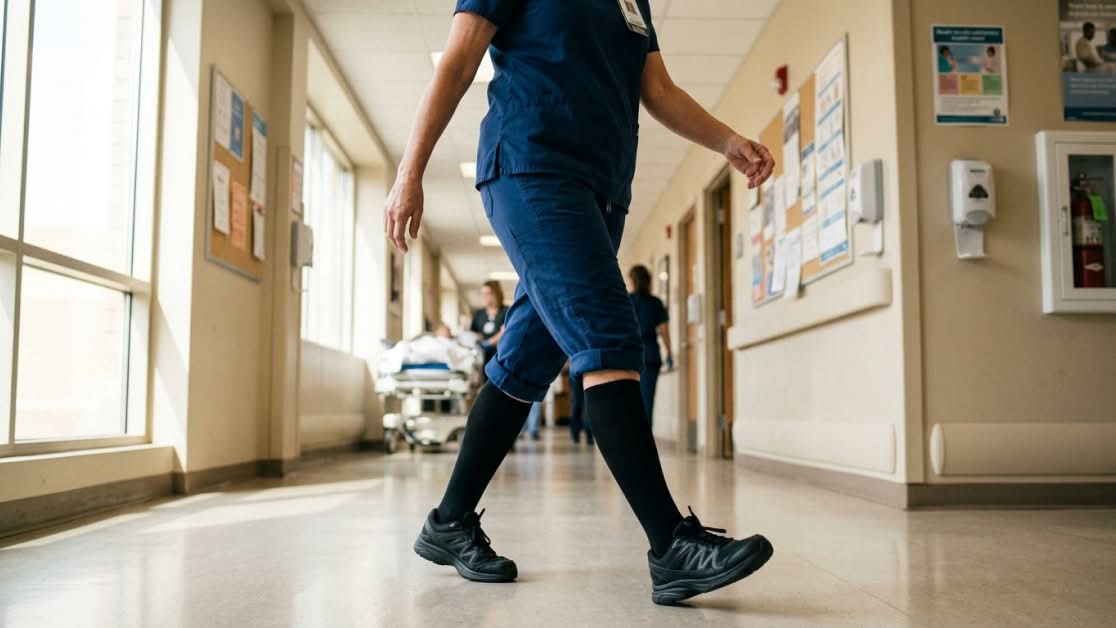
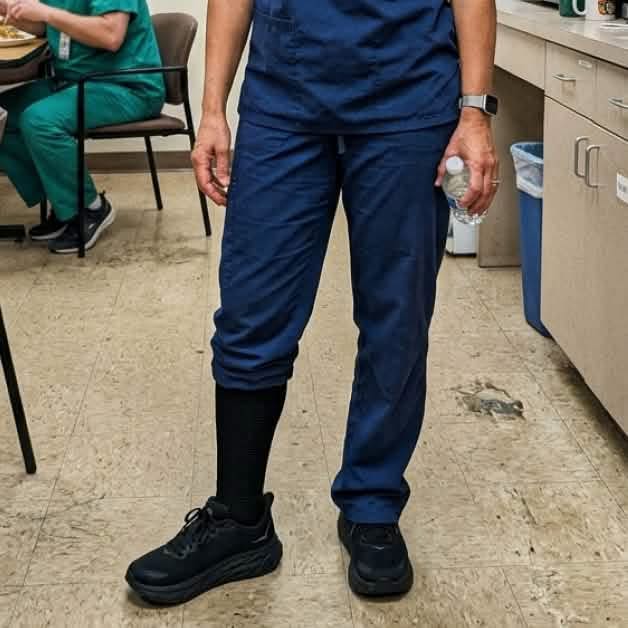
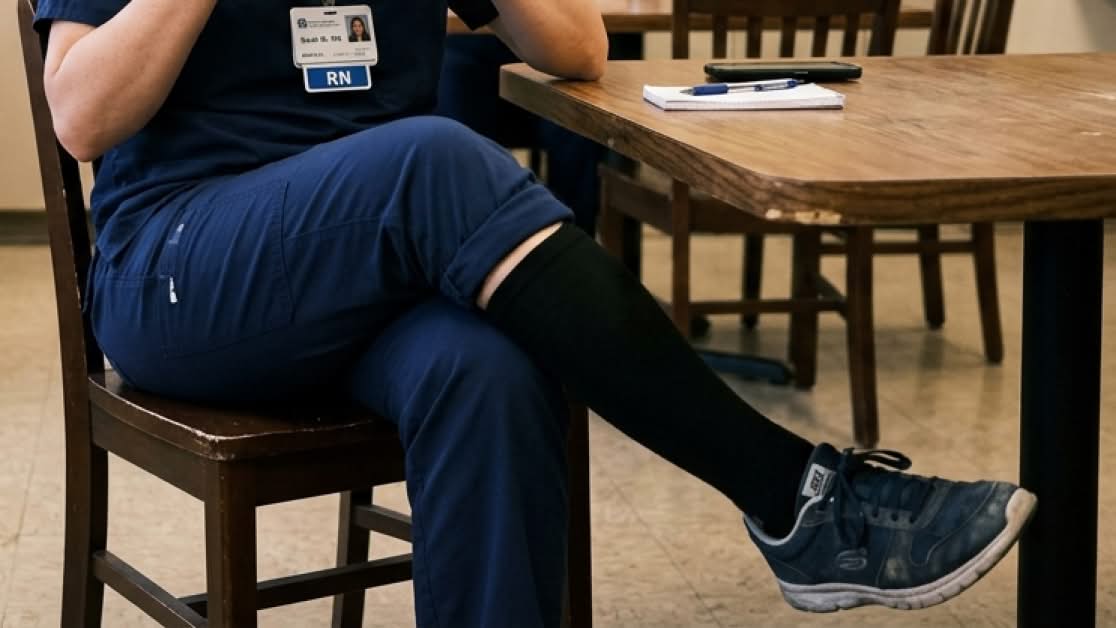
Shift photos are lifestyle. Trufit is not hospital-issued equipment on this site.


Flight photos are not a claim that these socks prevent clots. Walk the aisle and follow airline medical guidance if you have risk factors.

The product on this offer: Trufit
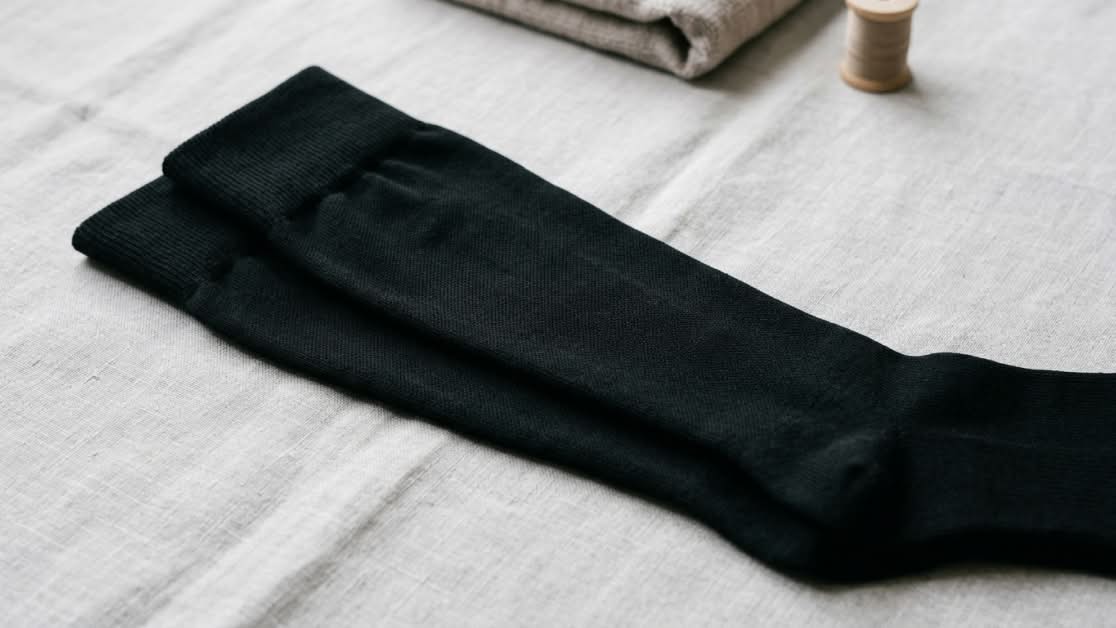
Trufit is sold as an everyday graduated sock — not a prescription stocking and not a guarantee that calves will feel light after a shift. Color, size, and mmHg (if listed) are confirmed on the order page.
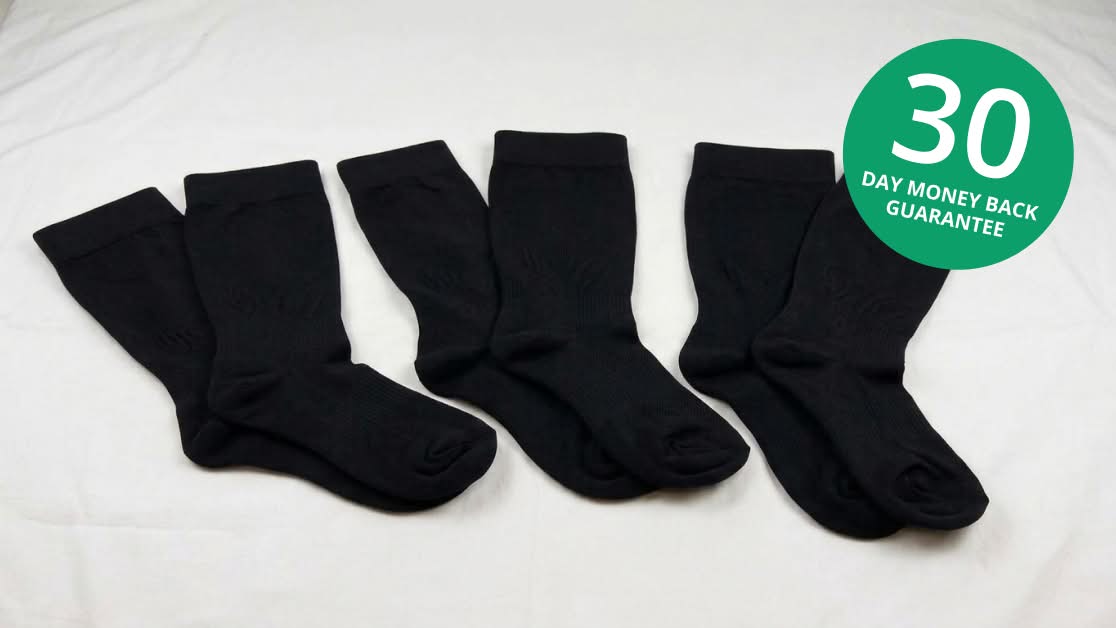
Any 30-day money-back line is the seller’s policy if it still appears at checkout. Sansimag does not process returns.
Check whether Trufit is in stock
Pricing and batch language on the destination page can change. This site does not hold inventory.
Check availabilityComments (promotional tone, not medical records)
Do these replace the 30–40 mmHg pair my clinic mentioned?
Ask that clinic. An over-the-counter sock is not automatically the same garment.
I wanted something that did not roll into a rubber band. Comfort was better on some days. Swelling is not gone. Results vary.
Wore a dark pair on a long sit. Took them off when they felt snug. Not magic.
The nurse story is how the brand explains cuff marks. It is not your chart.